
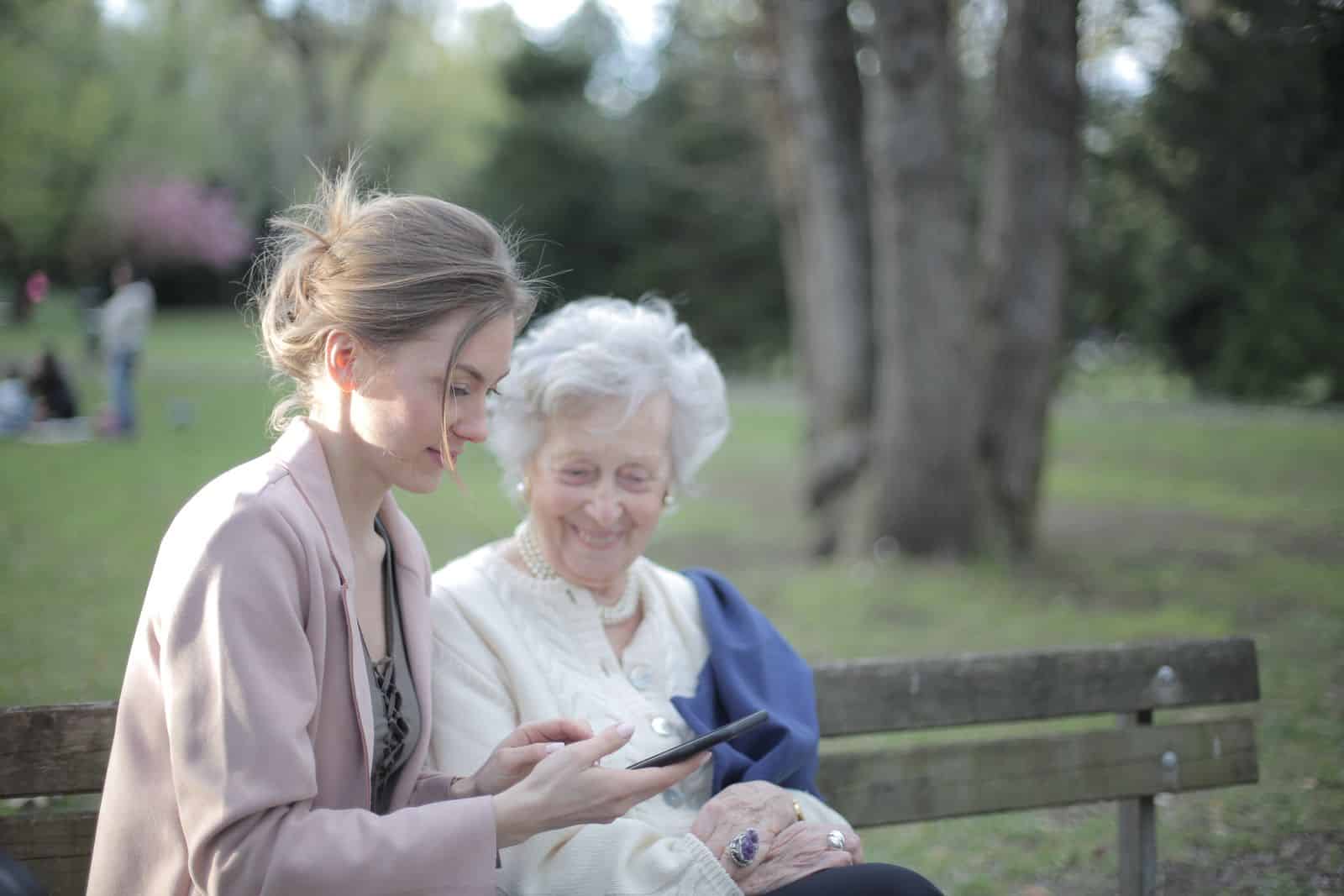
Alzheimer’s Home Care in Houston TX: Sundowning is most common in the middle and later stages of dementia, though it can show up at any stage. It is a pattern of confusion, restlessness or agitation that starts or gets worse in the late afternoon and evening.
If you are watching someone you love change as the sun goes down, you are not alone.
What Stage of Dementia Is Sundowning Most Common?
Sundowning in dementia looks a little different from one stage to the next. Here is how families usually see it:
- Early stage: Less common, and milder when it happens. A person may seem uneasy, irritable or unable to settle as evening comes.
- Middle stage: This is where sundowning most often becomes noticeable and disruptive. Evenings may bring pacing, strong confusion and anxiety that is hard to calm.
- Later stage: It can continue, often with more physical restlessness. The person may be less able to explain what is wrong, so caregivers watch body language for clues.
Sundowning is a pattern of symptoms that can appear in any stage. Researchers have found that more severe cognitive impairment makes sundowning more likely.
It also reaches beyond Alzheimer's disease. Vascular dementia, Lewy body dementia and other types can bring it on too.
The middle stage matters so much to families because it is typically the longest stage and can last for many years. Evenings can become part of daily life for a long time, which is why a steady plan pays off.
Sundowning Dementia Symptoms: What the Evening Shift Looks Like
Families describe a familiar set of changes as the day winds down. Sundowning dementia symptoms can include:
- More confusion about time or place
- Pacing and restlessness
- Anxiety
- Irritability
- Suspicion of people around them
- Seeing or hearing things that are not there
- Wanting to "go home" while already at home
- Crying or calling out
- Trouble falling or staying asleep
Not every person has every sign. Many families notice just two or three, and the mix can change from one evening to the next.
Sundowning usually starts in the late afternoon and can carry into the night. For some people the pattern shows up at other times of day too.
What Causes Sundowning in Dementia?
No single cause has been identified. Researchers point to a mix of factors that stack up toward the end of the day:
- Damage to the brain's body clock, which makes it harder to tell day from night
- Tiredness that builds through the day
- Fading light and shadows that can look confusing or frightening
- Unmet needs such as hunger, pain or needing the toilet
- Too much noise or activity in the home
- The person picking up on a caregiver's stress or tiredness
- Hearing or vision loss
- Medication side effects
The list is useful because many of these factors can be changed. A quieter room, a snack at four o'clock or a hearing check can ease an evening.
Season plays a part as well. Some research links sundowning with the fall and winter months. In 2026, daylight saving time ends on November 1, so darkness arrives an hour earlier. Houston families may soon see the sun set around dinnertime, and October is a good month to get an evening routine in place.
Is It Sundowning, or a Sudden Change That Needs a Doctor?
Sundowning builds gradually and repeats around the same time of day. Delirium is different. It is sudden, severe confusion with a cause such as an infection, including a urinary tract infection or pneumonia, or a medication.
Delirium is usually reversible once the cause is treated. A person with dementia can have both, so a new or sharper change deserves a closer look.
Call the doctor, rather than relying on an evening routine, when you see any of these:
- A sudden change from the person's usual behavior
- Fever
- Changes in urination
- A recent medication change
- A risk of harm to themselves or others
In an emergency, call emergency services and explain that the person has dementia.
How Long Does Sundowning Last in Dementia?
The answer depends on which timescale you mean.
- One episode: It usually runs from late afternoon into the night and eases by morning.
- Over the course of the disease: There is no fixed timeline. Sundowning tends to continue while dementia progresses and while its triggers are present, and it can come and go.
Many families ask whether sundowning means the dementia is getting worse. Not always. Short flare-ups can follow an illness, poor sleep or a change in routine. A steady increase over weeks may reflect progression, and sundowning has been linked with faster cognitive decline in Alzheimer's. Keeping a simple log of the evenings gives the doctor something concrete to review.
Others worry that it means the end is near. On its own, it does not.
How Families Get Through the Evening
The best plan begins early in the day and carries through dusk. It also includes a few steps for the moment an episode begins.
During the Day
Daytime habits shape the evening. These steps help many families:
- Keep a steady wake-up, meal and bedtime schedule
- Spend time in sunlight or by a bright window each day. A review of 11 trials found that light therapy reduced night-time awakenings in people with dementia
- Schedule appointments, outings and bathing in the morning
- Offer daily physical activity without overloading the day
- Keep naps short and early
- Cut back on caffeine and alcohol later in the day
- Serve a larger lunch and a lighter supper
A steady schedule, daily sunlight and limited late-day caffeine are also the steps the National Institute on Aging suggests.
As the Light Fades
Dusk is the moment to make the home feel calm and familiar:
- Turn lights on before dusk
- Close the blinds to cut down shadows and reflections
- Turn down the TV and other background noise
- Offer calm activities such as familiar music, photos or a simple snack together
Our post on quiet ways to wind down the day for seniors with dementia shares more ideas for this hour.
If an Episode Starts
Even with a good routine, hard evenings happen. When one begins:
- Approach calmly and speak in a soft, slow voice
- Check for a need such as pain, hunger or a trip to the toilet
- Reassure without arguing or correcting
- Never restrain the person
- Allow supervised pacing in a safe space
- Write a short note about what happened beforehand, so triggers become easier to spot
Medication is the last step. Non-drug approaches come first, and no randomized trial has tested treatments for sundowning specifically. The FDA has required a boxed warning that antipsychotics are not approved for behavioral symptoms in older adults with dementia. Any medication decision belongs with the person's doctor.
When Evenings Become Too Much for One Caregiver
Sundowning lands at the end of the day, when a caregiver is already tired. It can also interrupt the caregiver's own sleep, so the strain builds night after night.
Support at home can lighten that load. At Your Side Home Care offers Alzheimer's home care in Houston and surrounding areas, including help with daily activities, companionship, memory stimulation and safety monitoring. Caregivers can also step in through respite care, so family members can rest.
Care plans range from visits as short as one hour, with no hourly minimums, up to 24-hour care and live-in care, seven days a week. A family can bring in a caregiver just for the late afternoon and evening hours, or arrange round-the-clock coverage. Our team is family owned and has been serving Houston families since 2007.
A Steady Evening Is Within Reach
Sundowning is most common in the middle and later stages of dementia, and it is a pattern that can appear at any stage. A sudden change from the usual behavior is the one sign that calls for a doctor right away. Help for the evening hours is available, and you can Get Started with At Your Side Home Care whenever your family is ready.

Our Certified Nurse Aides, 24-Hour Live-in Assistants and Home Health Aides are available 24 hours a day, 365 days a year. We also provide the security and confidence of 24-hour Telephone Assistance, so fast, reliable help is always available when it's needed. To learn more about our homecare services see our homecare services page.
Different people need different levels of homecare. To meet the requirements of our clients, At Your Side Homecare maintains consistent staffing levels of caring professionals. Homecare service is available for as little as a few hours a week, or as many as 24 hours a day, seven days a week
- What 24/7 In-Home Care Costs Per Month, and What Drives the Number - October 12, 2026
- What Stage of Dementia Is Sundowning? How Families Get Through the Evening - October 12, 2026
- What Are the Causes and Risks of High Blood Pressure in Seniors? - October 9, 2026